Why Business Travel Is Still Vital in a Digital World
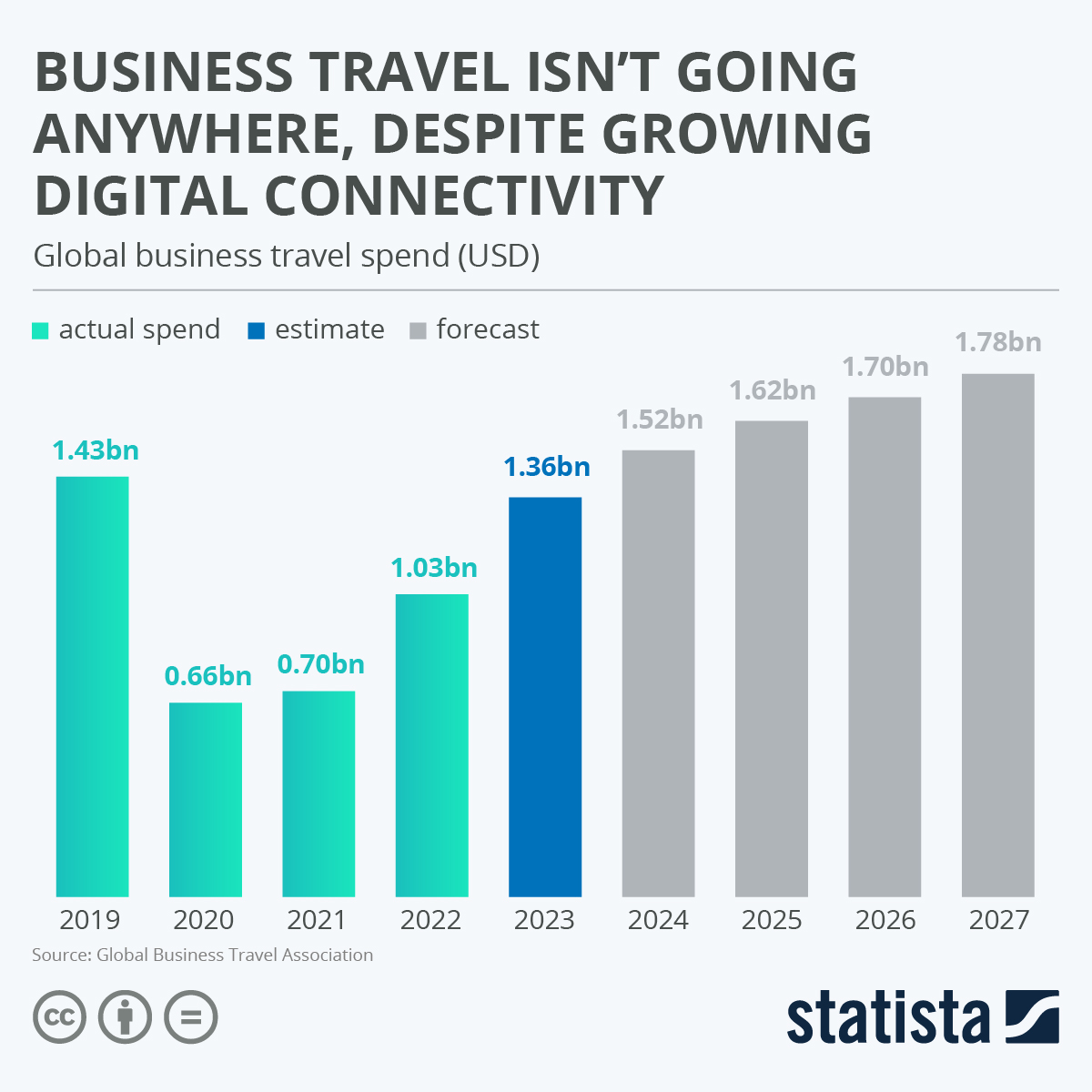
Business travel remains essential in today's digital era due to the unique advantages it offers in fostering relationships, enhancing communication, and closing deals. Face-to-face meetings play a crucial role in building trust and rapport, which are often challenging to establish through virtual interactions alone.
The nuances of body language, facial expressions, and tone of voice are better understood in person, leading to more meaningful connections.
Importance of Face-to-Face Meetings
Face-to-face meetings provide the opportunity for individuals to establish a personal connection, leading to stronger relationships and a deeper level of understanding. For example, a handshake and eye contact can convey trust and sincerity more effectively than an email or video call.
In business, these personal interactions can lay the foundation for successful partnerships and collaborations.
Enhancing Communication and Collaboration
Business travel allows team members from different locations to come together, facilitating real-time discussions and brainstorming sessions. Being in the same physical space encourages spontaneous interactions and fosters creativity. For instance, a team working on a project can benefit greatly from in-person meetings where ideas flow more freely, leading to innovative solutions.
Role in Closing Deals and Negotiations
When it comes to finalizing agreements or negotiating terms, face-to-face meetings can be instrumental in reaching mutually beneficial outcomes. The ability to read the other party's reactions and adjust communication strategies accordingly can be a game-changer in closing deals successfully.
In negotiations, non-verbal cues and subtle gestures can play a significant role in influencing decisions and sealing the deal.
Benefits of Business Travel in a Digital Era
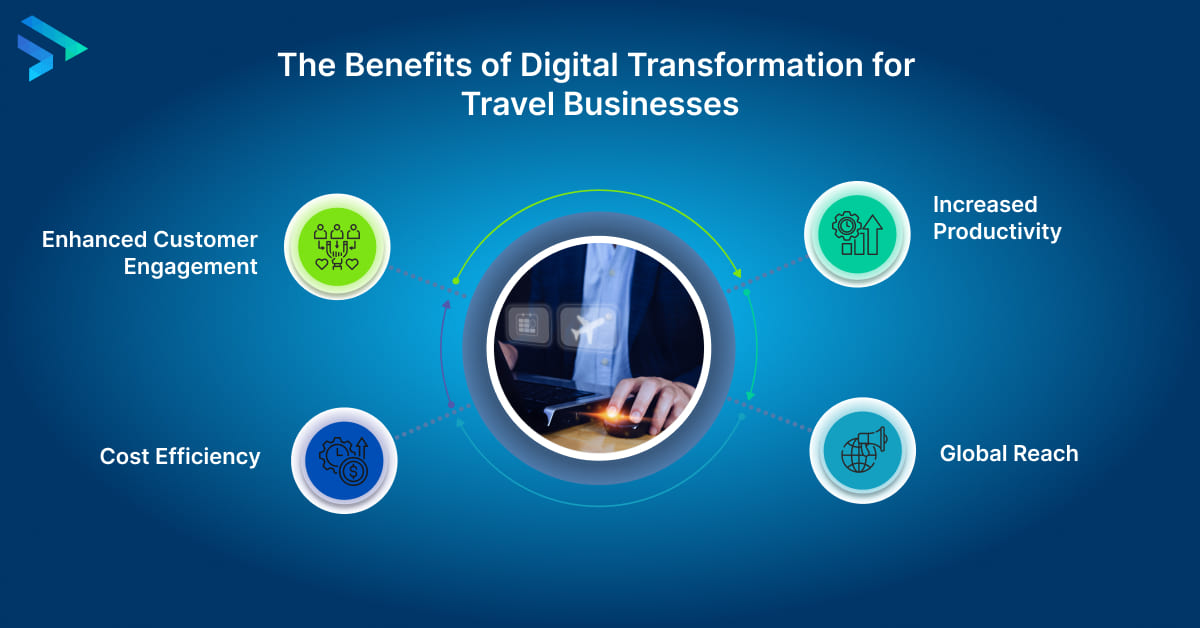
Business travel continues to hold significant importance in the digital age, offering various benefits that cannot be replicated through virtual means alone.
1. Fostering Creativity and Innovation
Traveling for business provides individuals with exposure to different cultures, environments, and perspectives. This exposure can spark creativity and innovation by inspiring new ideas and approaches that may not have been possible within the confines of an office. The novel experiences gained during business trips can lead to fresh insights and solutions to challenges, ultimately driving innovation within an organization.
2. Firsthand Market Research and Insights
One of the key advantages of business travel is the opportunity it provides for firsthand market research and insights. By physically visiting different regions and interacting with local customers, businesses can gain a deeper understanding of market trends, consumer preferences, and competitive landscapes.
This firsthand knowledge is invaluable in making strategic decisions and adapting products or services to meet the needs of diverse markets.
3
. Impact on Employee Morale and Job Satisfaction
Traveling for work can have a positive impact on employee morale and job satisfaction. Employees who have the opportunity to travel for business often feel valued and motivated, as they are entrusted with representing the company in new environments. Additionally, the excitement of exploring new places and engaging in meaningful work-related activities can boost morale and overall job satisfaction.
This, in turn, can lead to increased productivity and employee retention within the organization.
Challenges and Solutions in Business Travel

Businesses often face various challenges when it comes to managing travel arrangements for their employees. These challenges can range from controlling costs to ensuring efficiency and convenience. However, with the right strategies and tools, these challenges can be effectively addressed.
Identifying Common Challenges
- Cost Control: Managing travel expenses within budget constraints.
- Booking Complexity: Dealing with multiple bookings and itineraries.
- Travel Policy Compliance: Ensuring employees adhere to company travel policies.
- Traveler Safety: Addressing safety concerns during travel.
Strategies for Optimizing Travel Costs
- Advance Booking: Securing lower prices by booking flights and accommodations in advance.
- Travel Policy Enforcement: Implementing strict policies to control expenses and ensure compliance.
- Vendor Negotiations: Negotiating with travel vendors for discounts and better rates.
- Expense Tracking: Using automated tools to track and manage travel expenses effectively.
The Role of Technology in Improving Efficiency
- Online Booking Platforms: Streamlining the booking process and providing access to a wide range of options.
- Travel Management Software: Centralizing travel data and simplifying itinerary management.
- Mobile Apps: Facilitating real-time communication and updates for travelers on the go.
- Data Analytics: Analyzing travel data to identify trends, optimize expenses, and improve decision-making.
Expert Answers
Why is face-to-face interaction important in business?
Face-to-face meetings build trust, enhance communication, and establish stronger connections that are often difficult to achieve virtually.
How does business travel impact employee morale?
Travel can boost morale by offering employees new experiences, breaking routine, and creating a sense of appreciation for their work.
What are common challenges in managing travel arrangements?
Common challenges include coordinating schedules, dealing with last-minute changes, and ensuring cost-effectiveness without compromising quality.