Overview of Small Business Health Insurance Plans
Small business health insurance plans are designed to provide medical coverage for employees of small businesses. These plans help employers offer competitive benefits to attract and retain top talent, while also ensuring the well-being of their workforce.
Having health insurance for small businesses is crucial as it helps protect employees from high medical costs in case of illness or injury. It also promotes a healthier workforce, reduces absenteeism, and boosts employee morale and productivity.
Common Features in Small Business Health Insurance Plans
- Health Maintenance Organization (HMO) or Preferred Provider Organization (PPO) options
- Prescription drug coverage
- Wellness programs and preventive care services
- Dental and vision coverage
- Flexible spending accounts or health savings accounts
Cost-saving Strategies for Small Business Health Insurance
When it comes to small business health insurance, finding ways to save money is crucial for the financial stability of the company. Here are some cost-saving strategies that small businesses can consider to save thousands on health insurance plans:
1. Shop Around for the Best Rates
One of the most effective ways to save money on health insurance for your small business is to shop around and compare rates from different insurance providers. By getting quotes from multiple companies, you can find the most competitive pricing and potentially negotiate lower rates.
2. Consider High Deductible Health Plans
High deductible health plans (HDHPs) typically have lower monthly premiums, making them an attractive option for small businesses looking to save on health insurance costs. However, it's important to weigh the lower premiums against the higher out-of-pocket costs associated with these plans.
3. Offer Health Savings Accounts (HSAs)
Pairing a high deductible health plan with a health savings account (HSA) can be a smart cost-saving strategy for small businesses. HSAs allow employees to contribute pre-tax dollars to use for qualified medical expenses, helping to offset the higher out-of-pocket costs of the HDHP.
4. Implement Wellness Programs
Investing in employee wellness programs can lead to healthier employees, which can result in lower healthcare costs for your small business over time. By encouraging healthy habits and preventive care, you can reduce the need for expensive medical treatments and procedures.
5. Negotiate with Insurance Providers
Don't be afraid to negotiate with insurance providers to try and secure lower rates for your small business health insurance plan. Many insurers are willing to work with small businesses to find cost-effective solutions that meet their needs and budget.
Types of Health Insurance Plans Suitable for Small Businesses
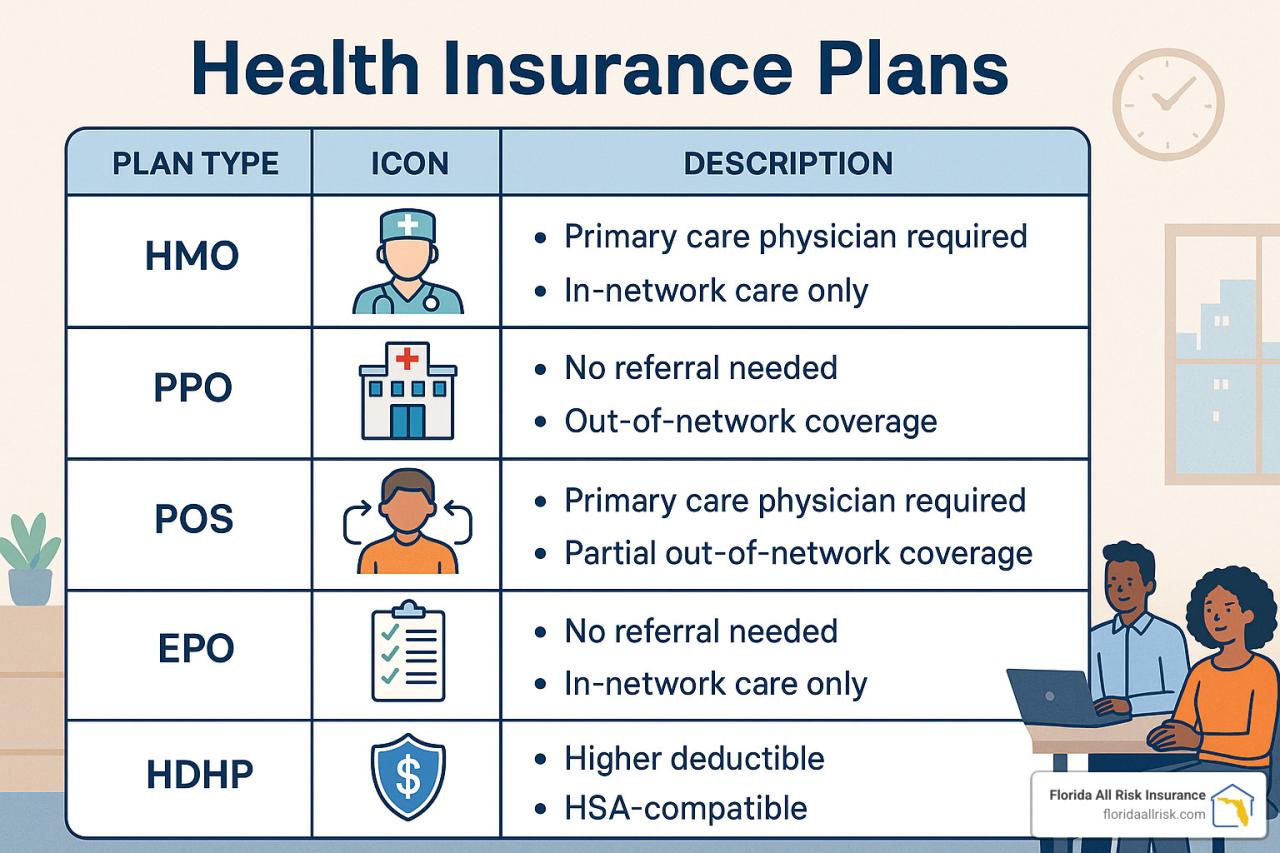
When it comes to small business health insurance plans, there are several options available, each with its own set of benefits and drawbacks. It's important for small business owners to understand these options in order to make an informed decision that suits their budget and the needs of their employees.
Health Maintenance Organization (HMO) Plans
- HMO plans typically have lower premiums compared to other types of health insurance plans.
- Employees are required to select a primary care physician (PCP) and obtain referrals to see specialists.
- Costs are generally lower when employees stay within the network of healthcare providers.
Preferred Provider Organization (PPO) Plans
- PPO plans offer more flexibility in choosing healthcare providers without needing referrals.
- Employees have the option to see out-of-network providers, but at a higher cost.
- Premiums and out-of-pocket costs are typically higher compared to HMO plans.
High Deductible Health Plans (HDHP) with Health Savings Accounts (HSAs)
- HDHPs have lower premiums and higher deductibles, making them a cost-effective option for small businesses.
- HSAs allow employees to save pre-tax dollars for medical expenses, offering tax benefits.
- Employers can contribute to employees' HSAs, providing additional savings.
Exclusive Provider Organization (EPO) Plans
- EPO plans combine elements of HMOs and PPOs, offering a balance between cost and flexibility.
- Employees must use providers within the network for coverage, similar to HMO plans.
- Out-of-network care is typically not covered, except in emergency situations.
Factors to Consider When Choosing a Health Insurance Plan
When selecting a health insurance plan for your small business, it is crucial to consider various factors that can impact the coverage, cost, and overall savings. By carefully evaluating these key aspects, you can ensure that you choose the right plan that meets the needs of your employees while staying within your budget.
Coverage Options
- Review the specific healthcare services covered by the plan, such as preventive care, prescription drugs, and specialist visits.
- Consider the network of doctors and hospitals included in the plan to ensure that your employees have access to quality healthcare providers.
- Assess whether the plan offers additional benefits like telemedicine services or wellness programs that can enhance employee health and productivity.
Cost Considerations
- Compare the monthly premiums, deductibles, and copayments of different plans to determine the most cost-effective option for your business.
- Take into account any potential out-of-pocket expenses that your employees may incur, such as coinsurance or non-covered services.
- Explore available tax credits or incentives for offering health insurance to your employees to maximize cost savings for your business.
Network Size and Provider Options
- Evaluate the size and reputation of the insurance company's provider network to ensure that your employees have access to a wide range of healthcare providers.
- Consider whether your employees can continue to see their current doctors or specialists if they are part of the plan's network.
- Check if the plan allows for out-of-network care in case employees need to seek treatment from providers outside of the network.
Case Studies of Small Businesses Saving on Health Insurance

Small businesses often face challenges in managing the costs of health insurance for their employees. However, some businesses have successfully saved significant amounts on health insurance through strategic planning and smart decision-making.
Case Study 1: ABC Company
- ABC Company, a small tech startup with 20 employees, was able to save 20% on their health insurance premiums by opting for a high-deductible health plan.
- By educating their employees on the benefits of preventive care and wellness programs, ABC Company saw a decrease in healthcare costs and an increase in overall employee health.
- Through regular reviews of their insurance coverage and negotiating with insurance providers, ABC Company was able to maintain quality coverage while saving on costs.
Case Study 2: XYZ Cafe
- XYZ Cafe, a local restaurant with 15 employees, implemented a health reimbursement arrangement (HRA) to provide tax-free funds for employee healthcare expenses.
- By encouraging employees to compare costs and choose cost-effective providers, XYZ Cafe was able to reduce unnecessary medical expenses and control healthcare spending.
- XYZ Cafe also focused on promoting a healthy work environment, offering wellness incentives, and providing resources for mental health support, resulting in improved employee satisfaction and reduced absenteeism.
Benefits of Investing in Quality Health Insurance Plans
- Long-term cost savings: Investing in quality health insurance plans can lead to lower healthcare costs over time, as preventive care and early intervention can help reduce the need for expensive treatments.
- Employee retention and satisfaction: Offering comprehensive health insurance coverage can attract top talent and improve employee morale, leading to higher retention rates and increased productivity.
- Legal compliance and risk management: Having adequate health insurance coverage ensures that small businesses comply with regulatory requirements and protect themselves from potential financial risks associated with employee healthcare needs.
Commonly Asked Questions
What factors should small business owners consider when choosing a health insurance plan?
Small business owners should consider coverage, cost, and network size as key factors impacting overall savings. It's crucial to evaluate these aspects carefully before making a decision.
How can small businesses negotiate lower rates with insurance providers for health insurance plans?
Small businesses can negotiate lower rates by exploring different providers, leveraging group purchasing power, and emphasizing their healthy workforce to insurers. These strategies can help in securing more affordable rates.