Understanding Alzheimer’s and Dementia

Alzheimer’s and Dementia are often used interchangeably, but they are different conditions with some similarities. Alzheimer’s is a specific type of dementia, accounting for 60-80% of cases, while dementia is a general term for a decline in mental ability that interferes with daily life.
Differences between Alzheimer’s and Dementia
- Alzheimer’s is a specific disease, while dementia is a syndrome.
- Alzheimer’s has a gradual onset and progression, while dementia can have a sudden or slow onset.
- Alzheimer’s primarily affects memory and cognitive function, while dementia can also impact behavior and emotions.
Symptoms of Alzheimer’s and Dementia
- Memory loss, especially recent memories, is a common symptom of both conditions.
- Difficulty performing familiar tasks and solving problems can be seen in Alzheimer’s and dementia patients.
- Confusion, disorientation, and changes in mood and behavior are also prevalent symptoms.
Impact on Daily Life
- Both Alzheimer’s and Dementia can affect an individual's ability to communicate effectively.
- Managing daily tasks like eating, dressing, and personal hygiene may become challenging for those with these conditions.
- Changes in behavior, such as wandering or agitation, can pose safety risks and require specialized care.
Live-in Home Care Services
Live-in home care services for Alzheimer’s and Dementia patients involve a caregiver residing in the individual's home to provide around-the-clock assistance and support. This type of care ensures that the patient receives continuous care and supervision in familiar surroundings.
Benefits of Live-in Care
- Consistent Care: Live-in caregivers offer consistent and personalized care to meet the unique needs of each individual.
- Familiar Environment: Patients can remain in the comfort of their own home, reducing stress and confusion often associated with moving to a new environment.
- 24/7 Support: Having a caregiver present at all times ensures immediate assistance in case of emergencies or sudden changes in condition.
Importance of Personalized Care
Personalized care is crucial for individuals with Alzheimer’s and Dementia as it allows caregivers to tailor their approach to the specific needs and preferences of each patient. This individualized care promotes a sense of security, dignity, and independence, enhancing the overall quality of life for those living with these conditions.
Finding Home Care Near Me

When looking for live-in home care services near you for Alzheimer’s and Dementia patients, there are several key factors to consider. One of the most important aspects to keep in mind is the location of the care provider. The proximity of the care facility to your home can greatly impact the quality of care and the ease of visitation for family members.
Here are some tips on how to research and evaluate home care providers in your area.
Key Factors to Consider
- Location: Choose a care provider that is conveniently located near your home to make visitation easier and more frequent.
- Services Offered: Ensure that the home care provider offers specialized services for Alzheimer’s and Dementia patients.
- Staff Training: Inquire about the qualifications and training of the staff members who will be caring for your loved one.
- Cost: Compare the costs of different home care providers to find one that fits your budget while still providing quality care.
Importance of Location
Location plays a crucial role in the decision-making process when choosing home care for Alzheimer’s and Dementia patients. A care provider that is nearby can make it easier for family members to visit regularly, participate in care planning meetings, and stay connected with their loved ones.
Research and Evaluation Tips
- Ask for Recommendations: Seek referrals from healthcare professionals, friends, or family members who have experience with home care providers.
- Check Reviews: Look for online reviews and testimonials from current or past clients to gauge the quality of care provided.
- Visit Facilities: Schedule tours of potential care providers to see the environment, meet the staff, and ask any questions you may have.
- Inquire About Care Plans: Request information about the care plans offered by each provider to ensure they align with the specific needs of your loved one.
Tailoring Care for Alzheimer’s and Dementia Patients
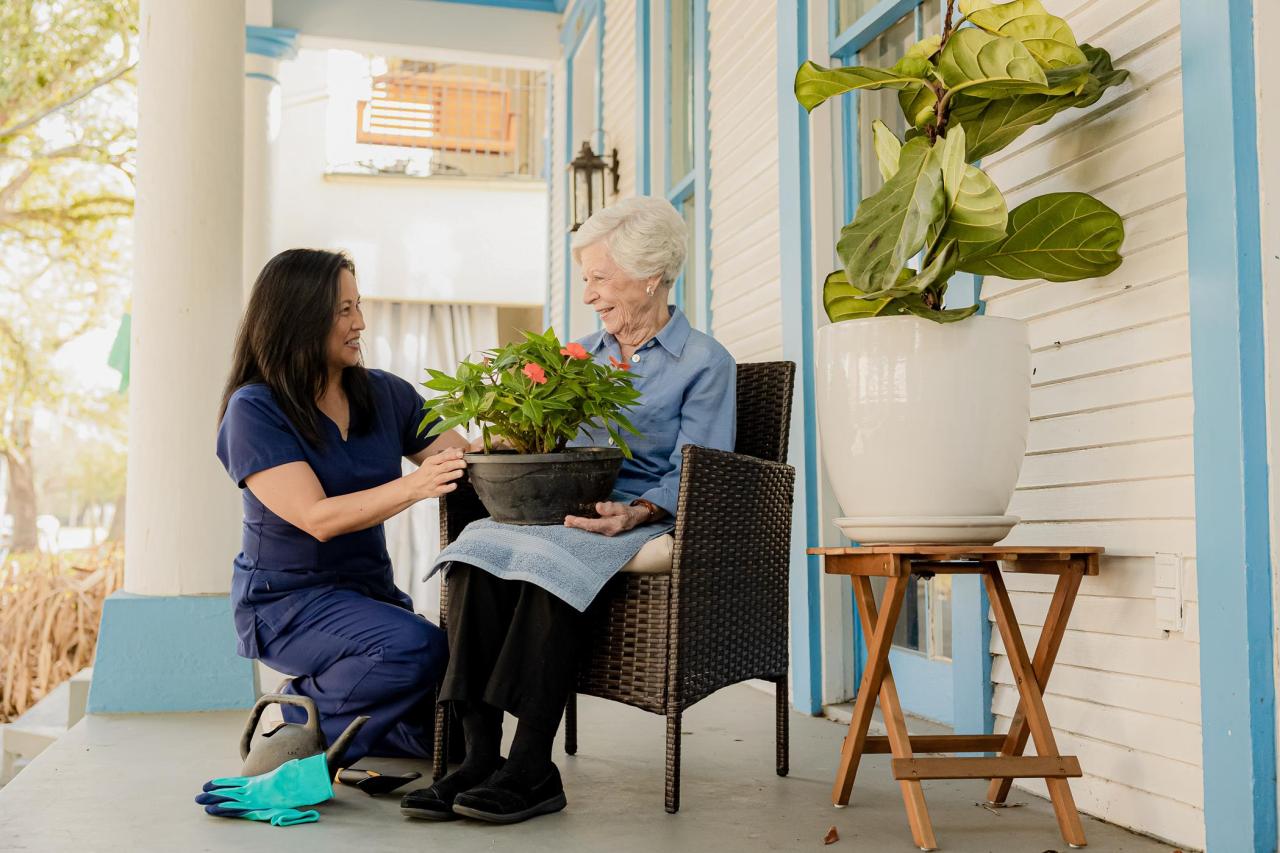
When it comes to providing care for individuals with Alzheimer's and Dementia, it is crucial to tailor the care plans to meet their specific needs and challenges. Live-in home care providers play a vital role in customizing care plans to ensure the comfort, safety, and well-being of these patients.
Role of Specialized Caregivers
Specialized caregivers are trained to understand the unique needs of individuals with Alzheimer's and Dementia. They provide personalized care and support, including assistance with daily activities, medication management, and emotional support. These caregivers offer companionship and engage patients in activities that stimulate memory and cognitive function.
- Creating a familiar routine: Establishing a daily routine can help reduce anxiety and confusion for Alzheimer's and Dementia patients. Caregivers ensure that activities such as meal times, medication schedules, and leisure activities are consistent and predictable.
- Memory-enhancing activities: Engaging patients in memory games, puzzles, and reminiscence therapy can help stimulate cognitive function and improve memory retention. Caregivers provide opportunities for patients to reminisce about the past and engage in activities that trigger positive memories.
- Physical exercise: Encouraging patients to participate in light physical activities such as walking, stretching, or gentle exercises can help improve mobility, balance, and overall well-being. Caregivers ensure that patients are safely engaged in physical activities to maintain their health.
- Emotional support: Patients with Alzheimer's and Dementia may experience mood swings, confusion, or frustration. Specialized caregivers provide emotional support, patience, and understanding to help patients navigate their emotions and feelings.
Creating a Supportive Environment
In a home care setting, it is essential to create a supportive environment that promotes the well-being of Alzheimer's and Dementia patients. Caregivers work closely with families and healthcare professionals to develop personalized care plans that address the individual needs of each patient.
- Safe and secure surroundings: Caregivers ensure that the home environment is free from hazards and is designed to prevent accidents or wandering behavior. They implement safety measures such as door alarms, locks, and handrails to create a secure space for patients.
- Patient-centered care: Caregivers focus on the preferences, interests, and abilities of each patient to provide person-centered care. They involve patients in decision-making processes and respect their autonomy and dignity throughout their care journey.
- Continuous monitoring and communication: Caregivers monitor the health and well-being of patients regularly, communicating any changes or concerns to healthcare providers and family members. They maintain open lines of communication to ensure that all stakeholders are informed and involved in the care process.
Essential Questionnaire
What are the main differences between Alzheimer’s and Dementia?
Alzheimer’s is a specific type of dementia, characterized by memory loss and cognitive decline, whereas dementia is an umbrella term for a range of cognitive impairments.
How do live-in home care services benefit Alzheimer’s and Dementia patients?
Live-in care provides round-the-clock support, personalized attention, and a familiar environment, which can enhance the quality of life for patients.
What factors should I consider when looking for home care near me?
Consider the reputation of the provider, the qualifications of caregivers, the range of services offered, and the proximity of the care facility to your location.