Planning Budget
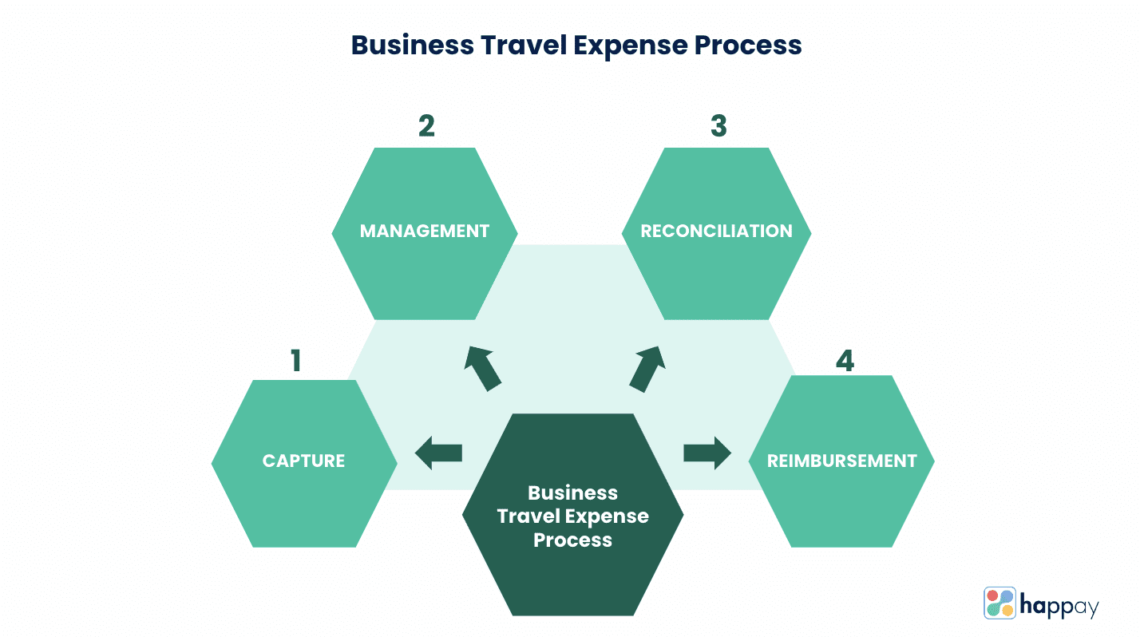
When embarking on a long business trip, it is crucial to plan and manage your expenses effectively to avoid overspending and stay within budget. Creating a budget, setting a daily spending limit, and tracking expenses are key components of successful expense management.
Creating a Budget
- Start by listing all potential expenses such as transportation, accommodation, meals, and incidentals.
- Research the cost of living in the destination city to make accurate estimations.
- Allocate a specific amount for each expense category to avoid overspending.
Setting a Daily Spending Limit
- Calculate your total budget for the trip and divide it by the number of days you will be traveling.
- Set a realistic daily spending limit that includes all expenses to ensure you stay on track.
- Avoid unnecessary splurges by sticking to your daily limit and adjusting as needed.
Tracking Expenses Effectively
- Use a dedicated expense tracking app or spreadsheet to record all your expenses in real-time.
- Save all receipts and categorize expenses to analyze where your money is going.
- Review your spending periodically to identify areas where you can cut back and stay within budget.
Accommodation Costs
When it comes to managing expenses on a long business trip, accommodation costs can make up a significant portion of your budget. However, there are ways to save on accommodation expenses without compromising comfort and convenience.One way to save on accommodation expenses is to consider alternative lodging options.
Instead of booking a traditional hotel room, you can explore options such as Airbnb, hostels, or serviced apartments. These alternatives can often provide more affordable rates compared to hotels, especially for longer stays.
Comparing Different Lodging Options
- Airbnb: Renting a private room or entire home through Airbnb can be a cost-effective option, especially if you prefer a more home-like environment.
- Hostels: Hostels offer budget-friendly accommodation with shared facilities, making them a good choice for solo travelers or those on a tight budget.
- Serviced Apartments: Serviced apartments provide the comfort of a hotel room with the added convenience of a kitchen and living space, making them ideal for longer stays.
Tips for Booking Affordable Accommodations
- Book in advance: By planning your accommodation early, you can take advantage of early bird discounts and secure better rates.
- Consider off-peak seasons: Traveling during off-peak seasons can result in lower accommodation prices due to decreased demand.
- Look for discounts: Utilize websites and apps that offer deals and discounts on accommodation bookings to save on costs.
Transportation Expenses
When it comes to managing transportation costs during a long business trip, there are several strategies you can implement to stay within your budget while ensuring efficient travel arrangements.
Benefits of Using Public Transport versus Renting a Car
- Cost-Effectiveness: Public transport is often more affordable than renting a car, especially when factoring in fuel, insurance, and parking fees.
- Eco-Friendly: Opting for public transport can reduce your carbon footprint and contribute to sustainable travel practices.
- Avoid Traffic and Parking Hassles: Public transport can save you time and stress by avoiding traffic congestion and the hassle of finding parking spaces in unfamiliar locations.
Finding the Best Deals on Flights or Train Tickets
- Book in Advance: Planning ahead and booking your flights or train tickets early can help you secure lower prices.
- Compare Prices: Utilize online booking platforms to compare prices from different airlines or train companies to find the best deals.
- Consider Flexible Dates: Being open to adjusting your travel dates slightly can sometimes lead to significant savings on transportation costs.
- Sign Up for Alerts: Subscribe to alerts from airlines or train companies to stay informed about promotional offers and discounts.
Meal Planning

When it comes to managing expenses on a long business trip, meal planning can play a significant role in saving money. By being strategic about how you approach your food expenses, you can stick to your budget without compromising on quality or convenience.
Advantages of Cooking Your Meals
- Cooking your meals can be a cost-effective option as it is often cheaper than eating out at restaurants.
- You have control over the ingredients you use, allowing you to make healthier choices and customize your meals to suit your preferences.
- Preparing your meals in advance can save you time during busy days, as you can simply reheat and enjoy your homemade meals.
Tips for Finding Affordable Dining Options
- Look for accommodations with kitchen facilities so you can cook some of your meals during your stay.
- Explore local markets and grocery stores to purchase fresh ingredients at lower prices compared to restaurants.
- Consider meal delivery services or meal kit subscriptions for convenient and budget-friendly dining options.
- Take advantage of loyalty programs, discounts, and coupons offered by restaurants to save money on dining out.
Question Bank
How can I create an effective budget for a long business trip?
Start by outlining your expected expenses for each category like accommodation, transportation, and meals. Monitor your spending closely and adjust as needed.
What are some ways to save on accommodation costs?
Consider options like booking in advance, using loyalty programs, or opting for alternatives like Airbnb or corporate housing.
Is it better to use public transport or rent a car during a business trip?
Public transport can be cost-effective and efficient in many cities, but renting a car offers more flexibility, especially in locations with limited public transportation.
How can I find affordable dining options without compromising quality?
Look for local eateries, explore street food markets, or consider cooking simple meals in your accommodation to save money while still enjoying delicious meals.