Employee Health Insurance vs Private Insurance
Employee health insurance and private insurance serve as two primary options for individuals seeking coverage. Employee health insurance is typically provided by an employer to their employees, offering a group plan that covers a portion or all of the premium costs.
On the other hand, private insurance is purchased individually by a person or family from a private insurance company, with the individual responsible for the full premium amount.
Differences Between Employee Health Insurance and Private Insurance
- Employee Health Insurance:
- Often subsidized by the employer, reducing the financial burden on the employee.
- Group coverage may offer lower premiums and better benefits due to the collective bargaining power of the organization.
- May have limited options for customization as the plan is decided by the employer.
- Private Insurance:
- Provides more flexibility in choosing coverage options tailored to individual needs.
- Allows for portability, meaning the coverage can be retained even when changing jobs.
- Typically more expensive than employee health insurance due to the full cost borne by the individual.
Benefits of Employee Health Insurance
- Lower cost: With employers contributing to premiums, employees pay less for coverage.
- Group benefits: Access to group rates and better coverage options than individual plans.
- Pre-existing conditions: Protection against denial of coverage based on pre-existing conditions.
Advantages of Private Insurance Over Employee Health Insurance
- Customization: Ability to choose specific coverage options that meet individual needs.
- Portability: Coverage can be maintained even when changing jobs or if self-employed.
- Broader network: Private insurance plans may offer a wider network of healthcare providers.
Situations Where One May Be More Beneficial than the Other
- Employee Health Insurance:
- Ideal for individuals who value cost savings and benefit from group rates.
- Suitable for those with pre-existing conditions or dependents needing coverage.
- Private Insurance:
- Recommended for individuals seeking more customized coverage options.
- Beneficial for those looking for portability and broader network access.
Coverage and Options
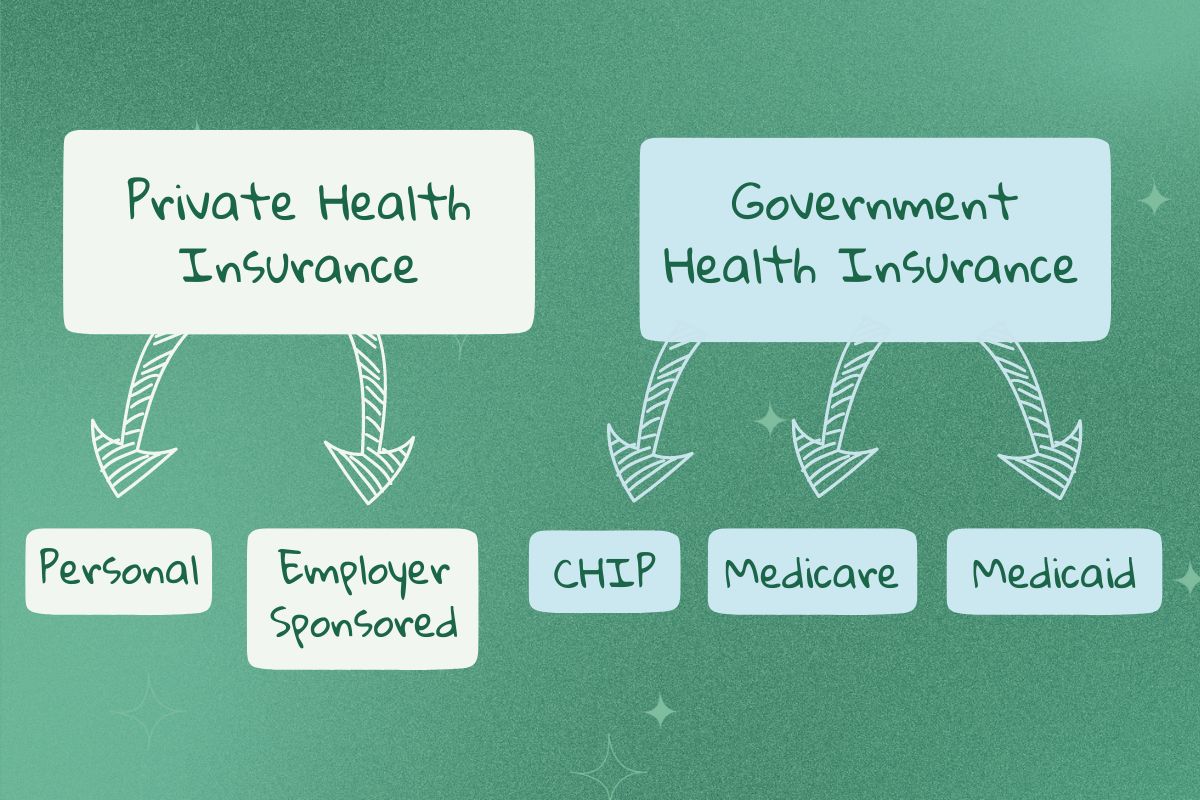
When comparing employee health insurance and private insurance, it is important to consider the coverage and options provided by each type of insurance. The extent of coverage and the flexibility of options can greatly impact the overall cost for individuals.
Coverage Offered
Employee health insurance typically offers coverage for essential health benefits such as doctor visits, hospital stays, prescription drugs, and preventive care. However, the coverage may vary depending on the employer's plan and may not include certain services or treatments.Private insurance, on the other hand, often provides more comprehensive coverage options, including additional services like dental and vision care, mental health services, and alternative therapies.
Individuals can choose from a variety of plans with different coverage levels to suit their specific needs.
Flexibility of Options
Employee health insurance usually offers limited flexibility in terms of coverage options, as employees must select from the plans provided by their employer. While there may be some choice in plan design, individuals are often restricted to the options available through their workplace.Private insurance offers greater flexibility, allowing individuals to customize their coverage by selecting from a wide range of plans offered by different insurance companies.
This flexibility can be beneficial for individuals with specific healthcare needs or preferences.
Limitations in Coverage
Both employee health insurance and private insurance may have limitations in coverage, such as exclusions for certain pre-existing conditions, restrictions on certain treatments or services, or caps on coverage amounts. It is important for individuals to carefully review the details of their insurance plan to understand any limitations that may apply.
Impact on Overall Cost
The coverage options available through employee health insurance and private insurance can have a significant impact on the overall cost for individuals. While employee health insurance may be more affordable due to employer contributions, it may also have limitations in coverage that could result in higher out-of-pocket costs for certain services.
On the other hand, private insurance may offer more comprehensive coverage but at a higher cost to the individual.
Cost and Affordability
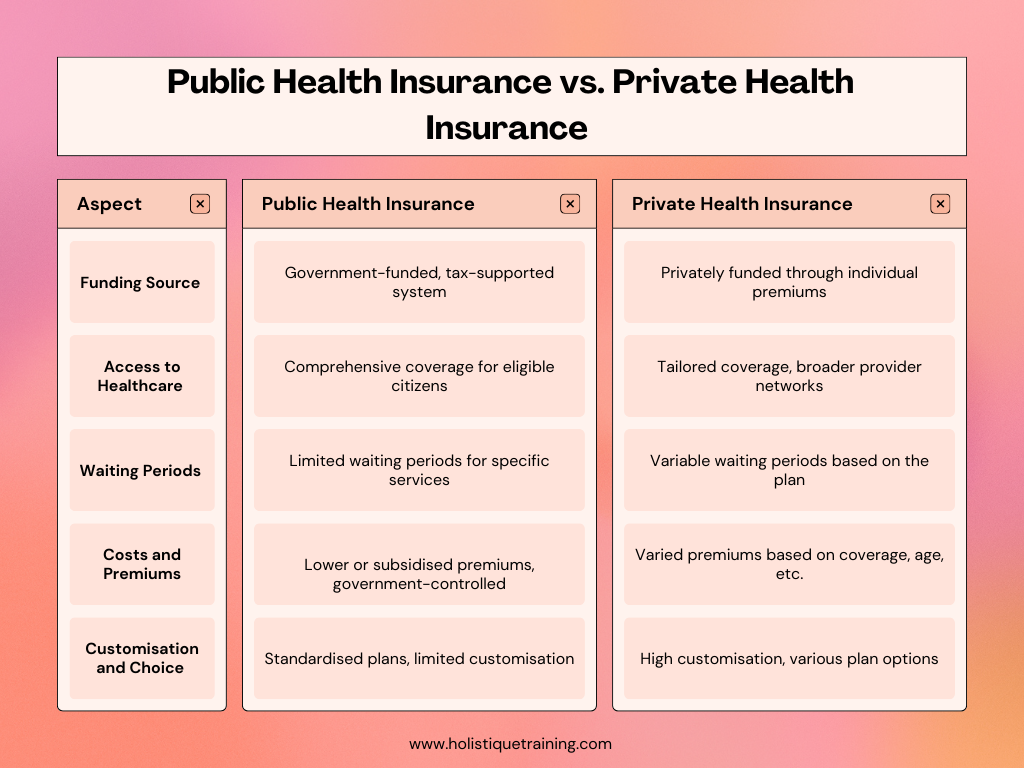
Employee health insurance and private insurance differ significantly in terms of cost and affordability. Employee health insurance is typically more affordable as the employer often covers a portion of the premiums, while private insurance requires individuals to pay the full cost themselves.
Cost Differences
Employee health insurance premiums are generally lower than those for private insurance, as the employer subsidizes a portion of the cost. On the other hand, private insurance premiums can be higher due to the full responsibility falling on the individual.
Additionally, private insurance plans may offer more coverage options, leading to higher premiums.
Factors Influencing Premium Costs
Several factors influence the cost of premiums in both types of insurance. For employee health insurance, factors such as the size of the company, location, and the overall health of the employee population can impact premium costs. In private insurance, factors like age, health status, coverage level, and pre-existing conditions play a significant role in determining premium costs.
Cost-Saving Strategies
Individuals with employee health insurance can save costs by taking advantage of wellness programs offered by their employer, choosing in-network providers, and utilizing preventive care services. On the other hand, individuals with private insurance can save money by opting for high-deductible plans, shopping around for the best rates, and considering health savings accounts (HSAs) for tax benefits.
Affordability for Different Needs
Employee health insurance is often more affordable for individuals who do not have pre-existing conditions or require extensive medical care. On the other hand, private insurance may be more affordable for individuals who value flexibility in choosing their healthcare providers and coverage options.
Ultimately, affordability depends on individual needs and preferences.
Accessibility and Portability
When it comes to healthcare insurance, accessibility and portability play a significant role in an individual's decision-making process. Let's explore how these factors differ between employee health insurance and private insurance.
Accessibility to Healthcare Services
Accessibility to healthcare services may vary between employee health insurance and private insurance. With employee health insurance, individuals often have access to a network of healthcare providers that are predetermined by the employer's insurance plan. This can limit the choice of providers but may offer lower out-of-pocket costs for services within the network.
On the other hand, private insurance plans may offer a broader range of providers to choose from, giving individuals more flexibility in selecting their healthcare services. However, the out-of-pocket costs may be higher when seeking services outside the plan's network.
Portability of Insurance Coverage
When it comes to transitioning jobs or moving between states, the portability of insurance coverage becomes crucial. Employee health insurance is typically tied to the employer, which means that individuals may lose their coverage when changing jobs. This can create gaps in insurance coverage and limit access to healthcare services during the transition period.
In contrast, private insurance plans are more portable as they are not tied to a specific employer. Individuals can retain their coverage even when switching jobs or relocating to a different state, providing continuity in healthcare services.
Impact on Healthcare Choices
The accessibility and portability of insurance coverage can have a significant impact on an individual's healthcare choices. Limited access to healthcare services or gaps in coverage due to job changes can affect the continuity of care and disrupt ongoing treatments.
On the other hand, having a portable insurance plan allows individuals to maintain consistent access to healthcare services, enabling them to continue their treatments without interruption.
Recommendations
For individuals considering the accessibility and portability of their insurance, it is essential to evaluate their healthcare needs and lifestyle. If job changes are frequent or relocation is a possibility, opting for a private insurance plan with better portability may be advantageous.
However, if lower out-of-pocket costs and a more structured network of providers are priorities, employee health insurance may be a better fit. Ultimately, choosing the right insurance plan that offers the right balance of accessibility and portability is crucial for ensuring continued access to quality healthcare services.
Expert Answers
What is the difference between employee health insurance and private insurance?
Employee health insurance is typically provided by an employer, while private insurance is purchased directly by an individual.
How do coverage options differ between employee health insurance and private insurance?
Employee health insurance may have limited coverage options compared to the more customizable options available with private insurance.
Are there cost-saving strategies for individuals with different insurance options?
Yes, individuals can explore options such as high-deductible plans or health savings accounts to save on costs.
How does accessibility to healthcare services vary between employee health insurance and private insurance?
Employee health insurance may restrict access to a specific network of providers, while private insurance often offers a broader choice of healthcare providers.
What factors influence the cost of premiums in each type of insurance?
Factors such as age, health status, coverage level, and geographic location can impact the cost of premiums in both employee health insurance and private insurance.